Safe Material Transport: Best Practices for Job Site Material Hauling
Updated: Jan 18
When it comes to moving materials around a job site, safety isn’t just a nice-to-have—it’s an absolute must. Whether you’re a seasoned pro or a homeowner tackling a big project, understanding how to haul materials safely can save you time, money, and most importantly, prevent injuries. I’ve been in the thick of it, and trust me, a little preparation goes a long way.
Let’s dive into some practical, easy-to-follow tips that will help you master safe material transport on your next job site.
Why Safe Material Transport Matters
You might be thinking, “I’ve hauled stuff before, how hard can it be?” Well, it’s more than just loading and driving. Safe material transport means protecting yourself, your crew, and the community around you. Improper hauling can lead to accidents, damage to materials, and costly delays.
For example, imagine a load of lumber shifting mid-drive because it wasn’t secured properly. Not only could that cause damage to the wood, but it could also create a hazard for other drivers on the road. And that’s just one scenario.
By following safe practices, you’re ensuring that materials arrive intact and everyone stays safe. Plus, it reflects well on your professionalism and commitment to quality work.

Essential Tips for Safe Material Transport
Let’s get into the nitty-gritty. Here are some of the best practices I’ve learned for hauling materials safely on any job site:
1. Choose the Right Vehicle and Equipment
Not all trucks or trailers are created equal. Make sure your vehicle is rated for the weight and size of the materials you’re hauling. Overloading a vehicle can cause mechanical failures and increase the risk of accidents.
Also, use the right equipment for securing loads—ratchet straps, chains, and tarps are your best friends. Avoid using ropes or bungee cords as they can snap or loosen during transit.
2. Secure Your Load Properly
This is where many people slip up. A load that isn’t secured can shift, fall off, or cause the vehicle to become unstable. Here’s a quick checklist:
Use multiple tie-downs to distribute tension evenly.
Check that straps or chains are tight and in good condition.
Cover loose materials with a tarp to prevent debris from flying off.
Double-check everything before you hit the road.
3. Load Materials Strategically
Balance is key. Place heavier items on the bottom and lighter ones on top. Keep the load centered and as low as possible to maintain vehicle stability.
If you’re hauling long items like pipes or lumber, make sure they don’t extend too far beyond the vehicle. If they do, use flags or lights to alert other drivers.
4. Drive with Caution
Even the best-secured load can become dangerous if you drive recklessly. Slow down, especially on turns and rough roads. Avoid sudden stops and sharp maneuvers.
Remember, your vehicle will handle differently when loaded. Give yourself extra space and time to react.
5. Inspect Your Load Regularly
If you’re making multiple trips or driving a long distance, stop periodically to check your load. Straps can loosen, and materials can shift. A quick inspection can prevent a disaster.
What do heavy haulers charge per mile?
If you’re considering hiring professionals for your hauling needs, you might wonder about the cost. Heavy haulers typically charge based on several factors:
Distance: The farther the haul, the higher the cost per mile.
Weight and Size: Heavier and bulkier loads require more equipment and effort.
Type of Material: Some materials need special handling or permits.
Location: Urban areas or difficult terrain can increase costs.
On average, you might expect to pay anywhere from $2 to $5 per mile for heavy hauling services. Keep in mind that additional fees may apply for loading, unloading, or special permits.
Hiring a trusted local service can often save you money and headaches, especially if they understand the unique challenges of your area.
How to Choose a Reliable Hauling Service on O'ahu
If you’re on O'ahu and need help with hauling, clearing, or delivery, picking the right service is crucial. Here’s what I look for when choosing a hauling company:
Local Knowledge: A company familiar with O'ahu’s roads and regulations can navigate challenges better.
Reputation: Check reviews and ask for references. Word of mouth is powerful.
Equipment: Make sure they have the right trucks and tools for your specific needs.
Safety Record: Don’t hesitate to ask about their safety protocols and insurance.
Community Commitment: Supporting local businesses that give back to the community is always a plus.
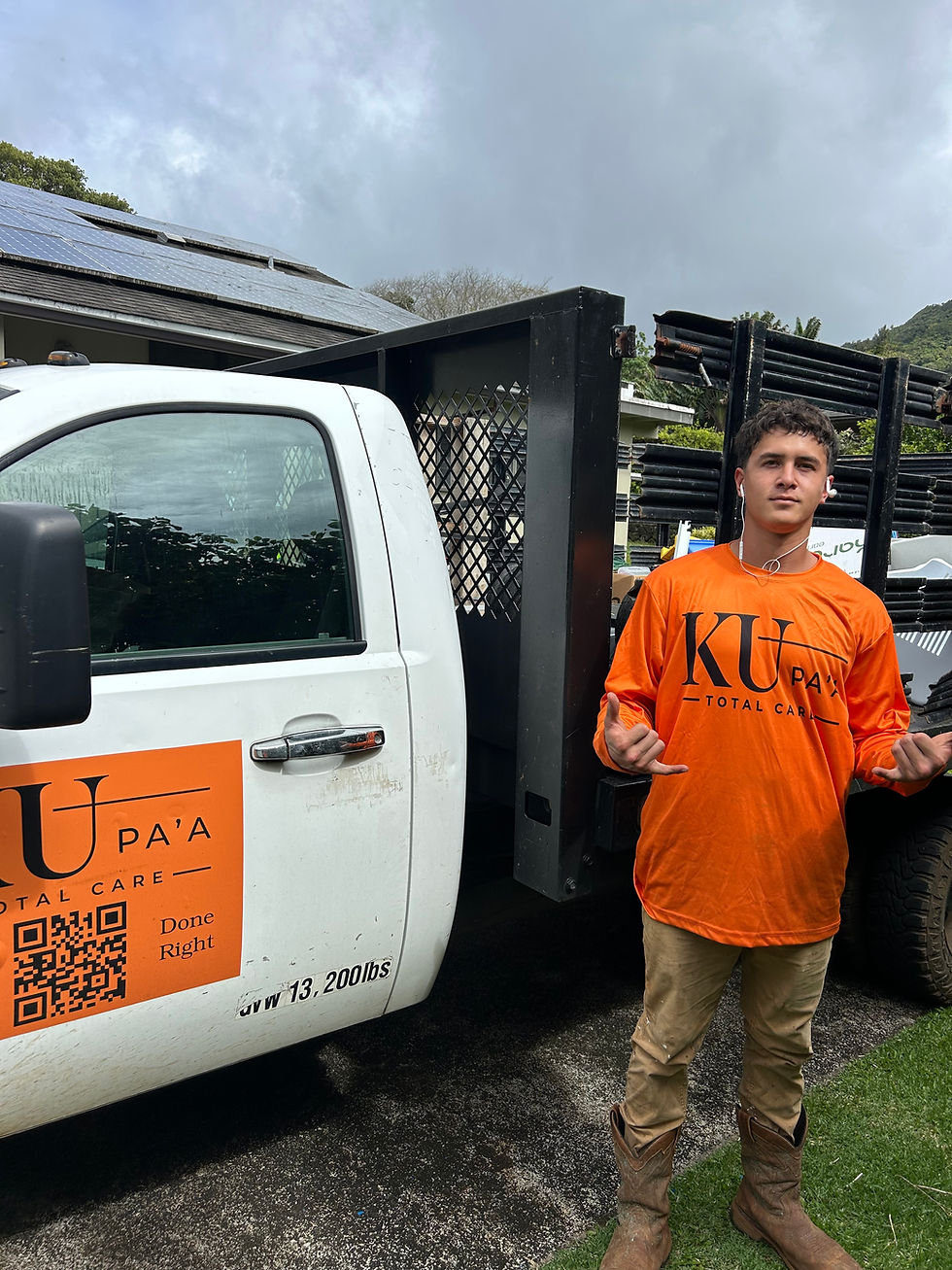
Ku Pa'a Total Care Services, for example, stands out because they combine reliable hauling with a strong sense of community aloha. They support local student athletes and deliver service with care, which makes a difference beyond just the job.
Practical Safety Gear and Tools You Should Have
Safety isn’t just about how you load and drive. The right gear can protect you and your team during the entire hauling process.
Here’s a quick list of essentials:
High-visibility vests: So everyone can see you, especially in low light.
Gloves: Protect your hands from splinters, sharp edges, and rough materials.
Hard hats: If you’re working around heavy equipment or falling objects.
Safety boots: To prevent foot injuries.
Eye protection: Dust and debris can be a real nuisance.
First aid kit: Always good to have on hand for minor injuries.
Using these tools and gear consistently shows professionalism and care for everyone involved.
Final Thoughts on Safe Material Transport
Safe material transport is more than just a checklist—it’s a mindset. Whether you’re moving a few bags of soil or a truckload of lumber, taking the time to do it right pays off in safety, efficiency, and peace of mind.
Remember, hauling materials safely protects your investment, your crew, and the community around you. So next time you’re gearing up for a job, think about these tips and make safety your top priority.
If you want to learn more about job site material hauling, check out local experts who know the ins and outs of the trade and can help you get the job done right.
Stay safe out there, and mahalo for reading!
Ready to haul safely? Reach out to trusted local services and keep your projects moving smoothly.


Comments